Solchidi balsamico
La tradizione è viva
Il libro e il film per il sessantesimo anniversario della Consorteria.
The book and the film for the sixtieth anniversary of the Consorteria.
Solchi di balsamico
«Vive ciò che viene rimesso in gioco.»
“What lives is what is put back into play.”
Il libro · SinossiThe book · Synopsis
Solchi di balsamicoBalsamic Furrows
La tradizione è vivaLiving Tradition
Sei capitoli, o sei tempiSix chapters, or six movements
Il solco è il segno in cui abita la memoria di chi l’ha tracciato.
The furrow is the mark in which the memory of the one who traced it dwells.
Il solco è il luogo in cui una voce resta custodita perché torni a risuonare: attende, e restituisce ciò che ha ricevuto a chi lo attraversa di nuovo. Sessant’anni di Consorteria dell’Aceto Balsamico Tradizionale sono solchi di questa specie, e il libro che ne celebra il sessantesimo anniversario è il gesto che torna a percorrerli.
Queste pagine risalgono alla storia dei fondatori e dei Gran Maestri, e vi risalgono nel solo modo in cui una storia viva acconsente a essere raccontata: dalla voce dei figli di questa tradizione. Qui la lingua offre all’opera la sua rima più esatta. Testimone è chi ha visto; testimone è anche ciò che si passa di mano perché la corsa continui. Le voci qui convocate lo sono in entrambi i sensi: dicono ciò a cui hanno assistito e, dicendolo, lo consegnano. Ne nasce prima di tutto una genealogia degli affetti, perché ricordare dice ciò che fa: recordari, riportare al cuore.
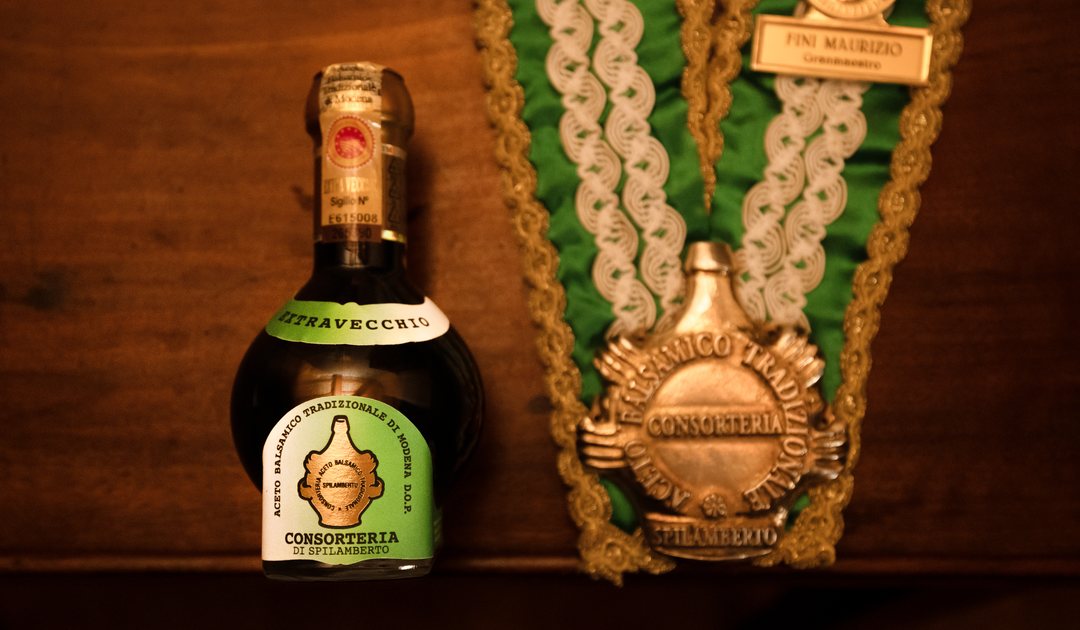
Testi d’eccezione aprono il volume. Il primo è del Gran Maestro Maurizio Fini, che ha desiderato e reso realtà questo libro; sua è l’immagine del titolo, i solchi balsamici che porta avanti. Accanto al suo, il testo del Vescovo di Modena, Erio Castellucci, che nel balsamico riconosce un artigianato di famiglie, un lavorio che distilla goccia su goccia speranza e competenza; la riflessione di Daniele Francesconi, direttore scientifico del Festival della Filosofia di Modena, per il quale le batterie sono vettori in cui prodotto e generazioni si succedono dandosi la mano, e la cultura del balsamico insegna a un’epoca che conta i centesimi il valore della durata; la testimonianza di Gian Carlo Muzzarelli, già sindaco di Modena, che restituisce il balsamico alle famiglie contadine e non soltanto alle grandi dinastie, e ricorda da dove viene il primato modenese dei motori e della tavola: da un territorio che nel Dopoguerra era fra i più poveri d’Italia e che al sudore non ha mai fatto sconti, con radici profonde e sguardo lontano; la testimonianza di Enrico Corsini, presidente del Consorzio Tutela dell’Aceto Balsamico Tradizionale di Modena, che ripercorre trent’anni di lavoro comune attraverso tre Gran Maestri — Francesco Saccani, Luca Gozzoli, Maurizio Fini — e mostra due istituzioni che, nel rispetto dei ruoli, difendono la stessa cosa. Cinque sguardi: il sodalizio, la fede, la filosofia, la città, la tutela.
Sei capitoli, o sei tempi, danno al racconto la sua misura, da Il tempo abita qui a La tradizione è viva. Il primo assegna al tempo un luogo: Spilamberto, con il Modenese a fargli da respiro più largo. I custodi del tempo raccoglie chi lo abita — i fondatori, i Gran Maestri, i custodi dell’Acetaia Sociale, gli artigiani del legno, i collaboratori — e rimette all’elenco ciò che l’elenco solo può dire: gesti simili esigono una comunità intera. La scuola dell’assaggio istruisce un sapere che passa per il corpo, si impara accanto a chi già sa e negli anni si affina in sensibilità e in gusto. L’eredità al futuro riunisce i ricordi, le storie del cuore, i dialoghi balsamici, le memorie di famiglia, il tempo e l’attesa: là la vicenda di un’associazione si scopre fatta di cucine, di soffitte, di nonni, e alla sua origine si rivela questione di famiglia. Ritmi e affetti tiene unite le due parole che governano l’opera: la cadenza con cui le stagioni ritornano e l’affetto che le accompagna. Il sesto dice al presente ciò di cui il libro intero è testimonianza: la tradizione è viva.
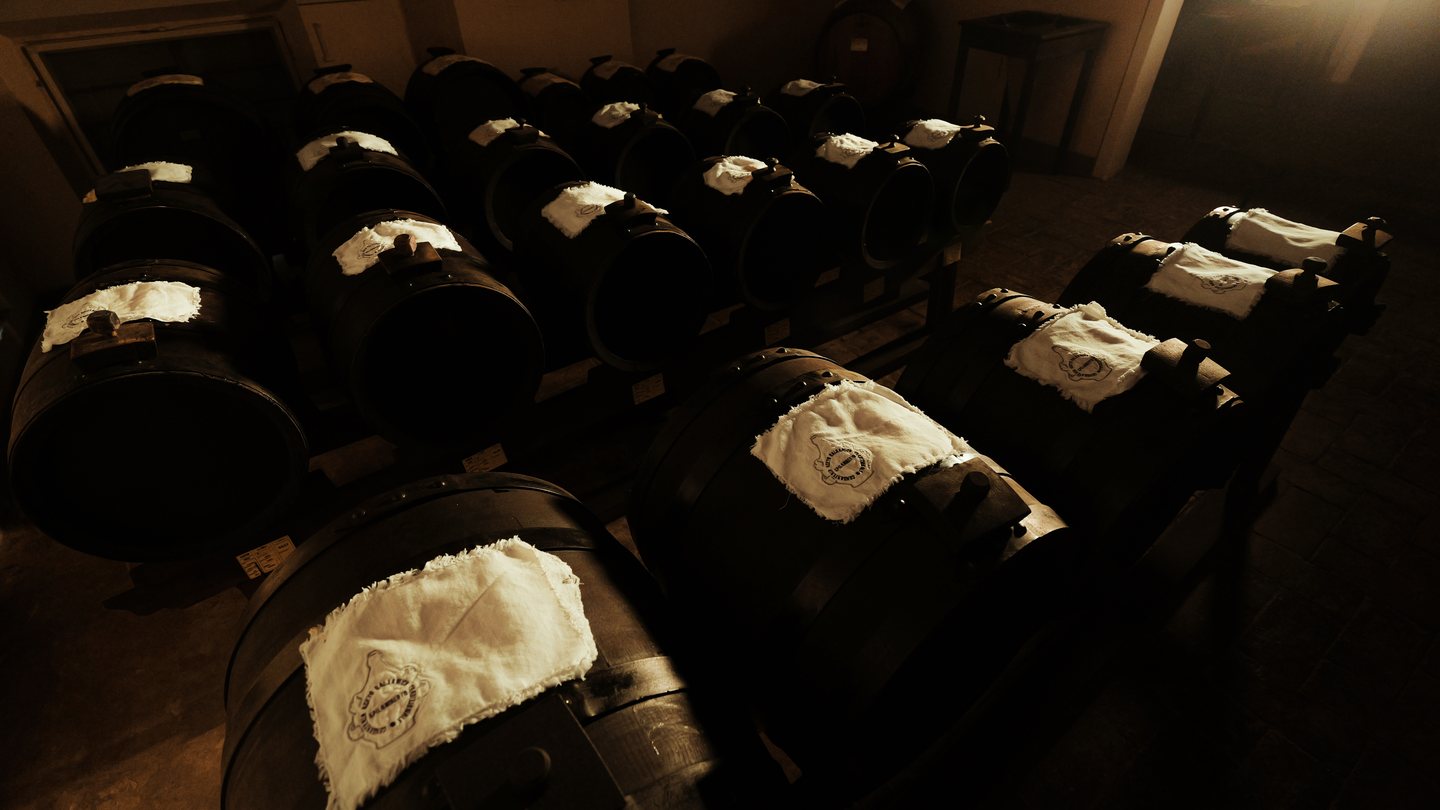
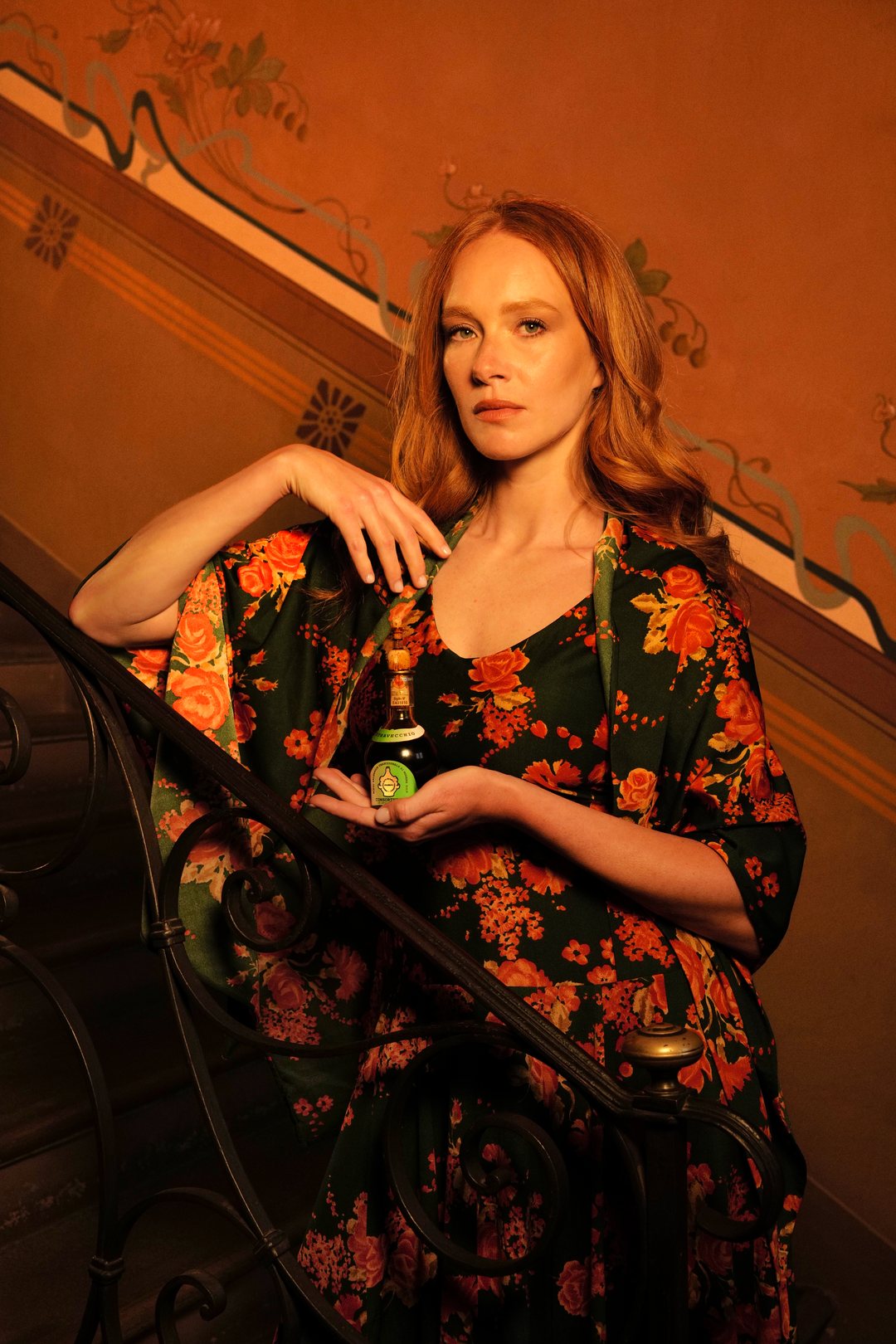
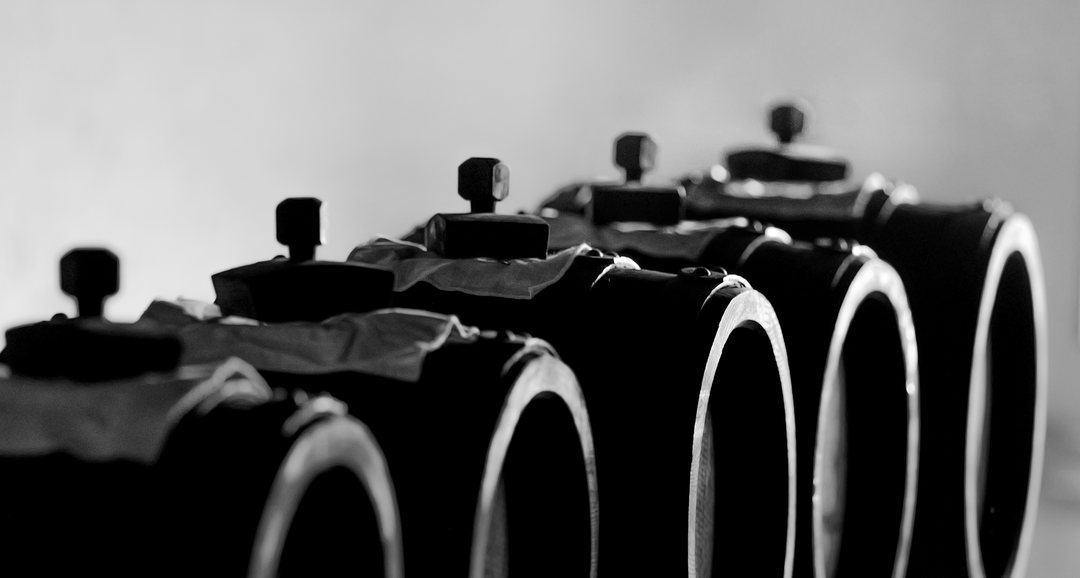
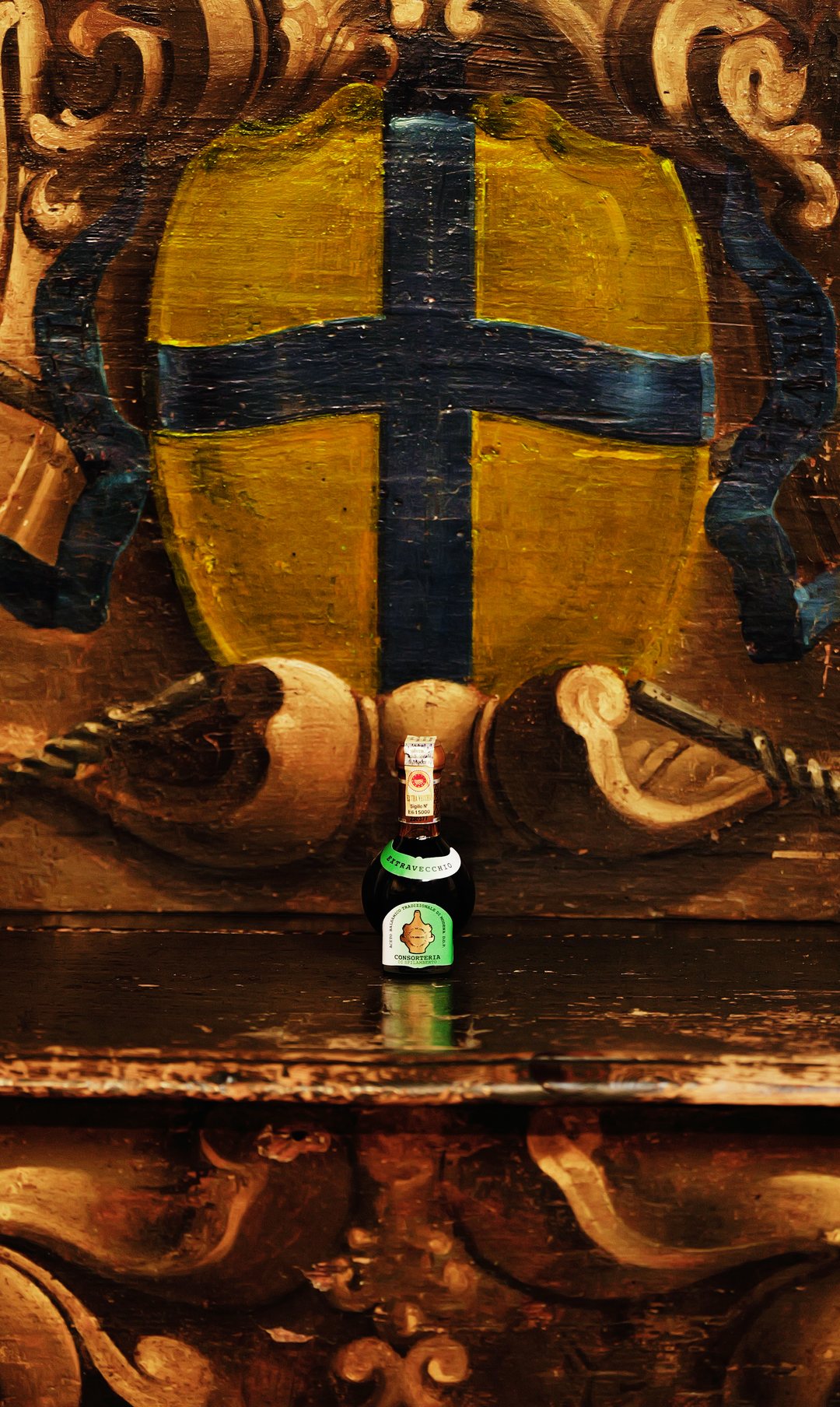
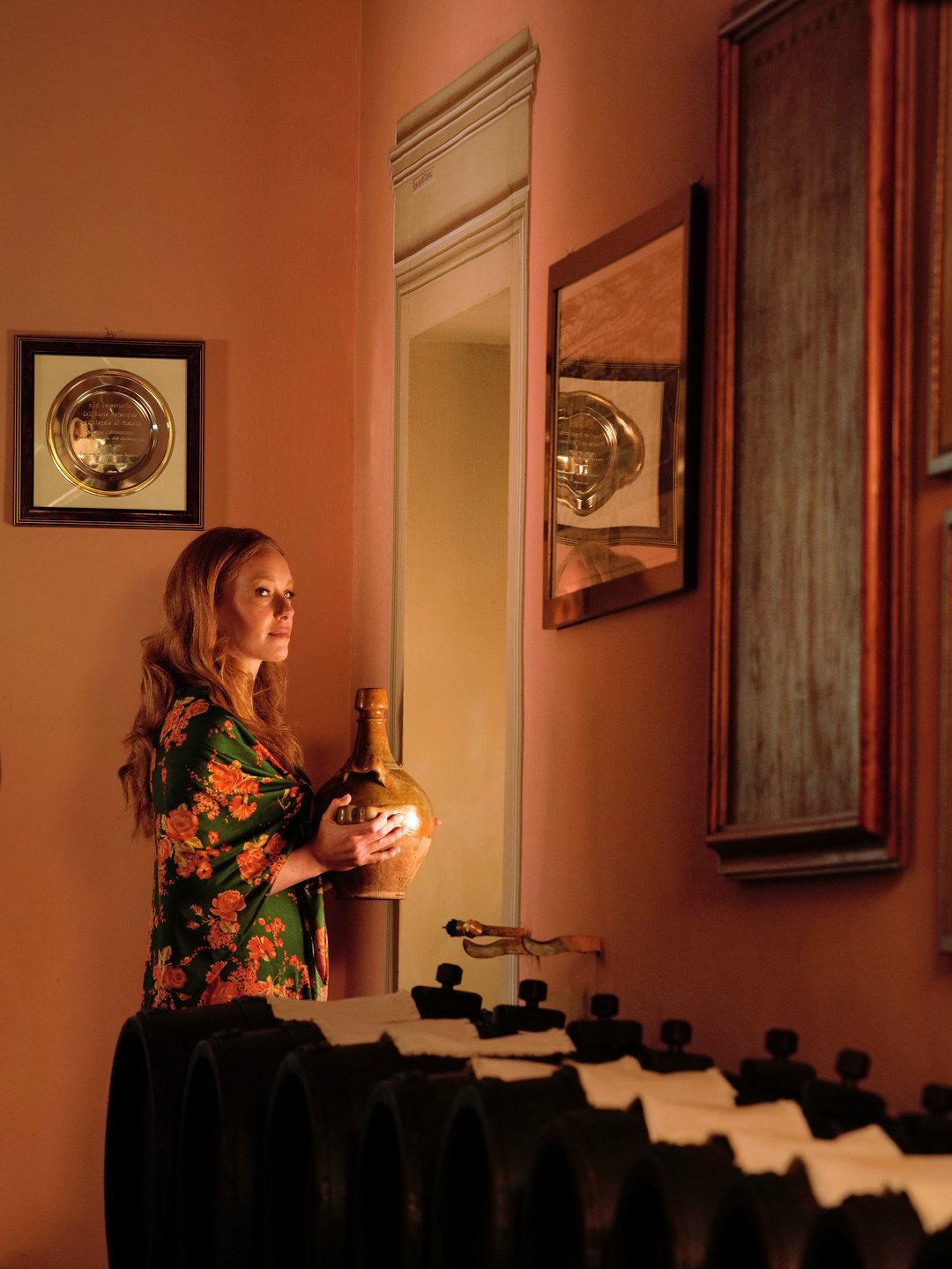
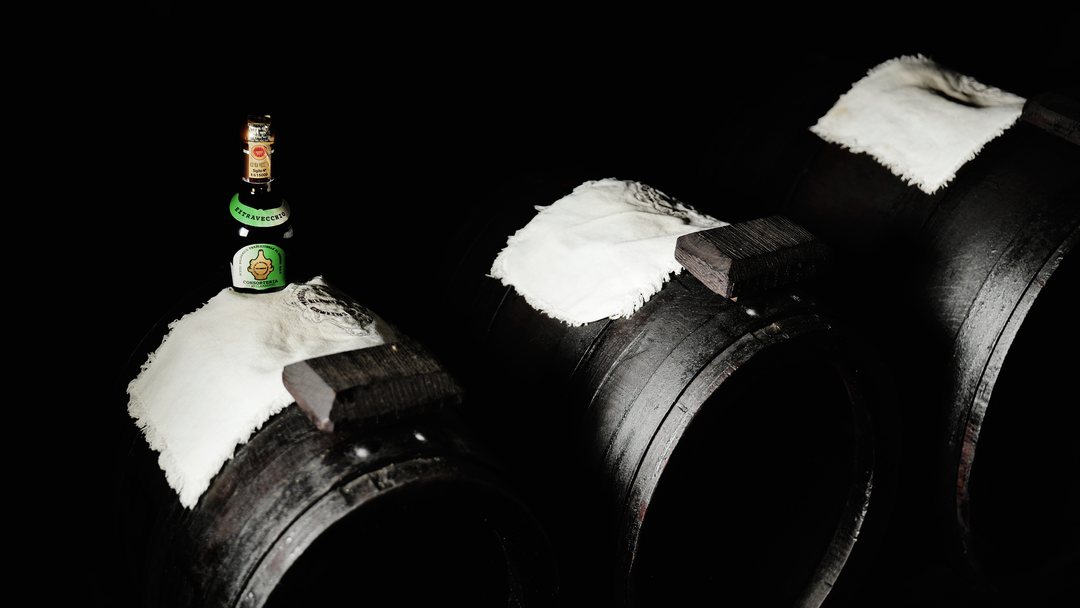
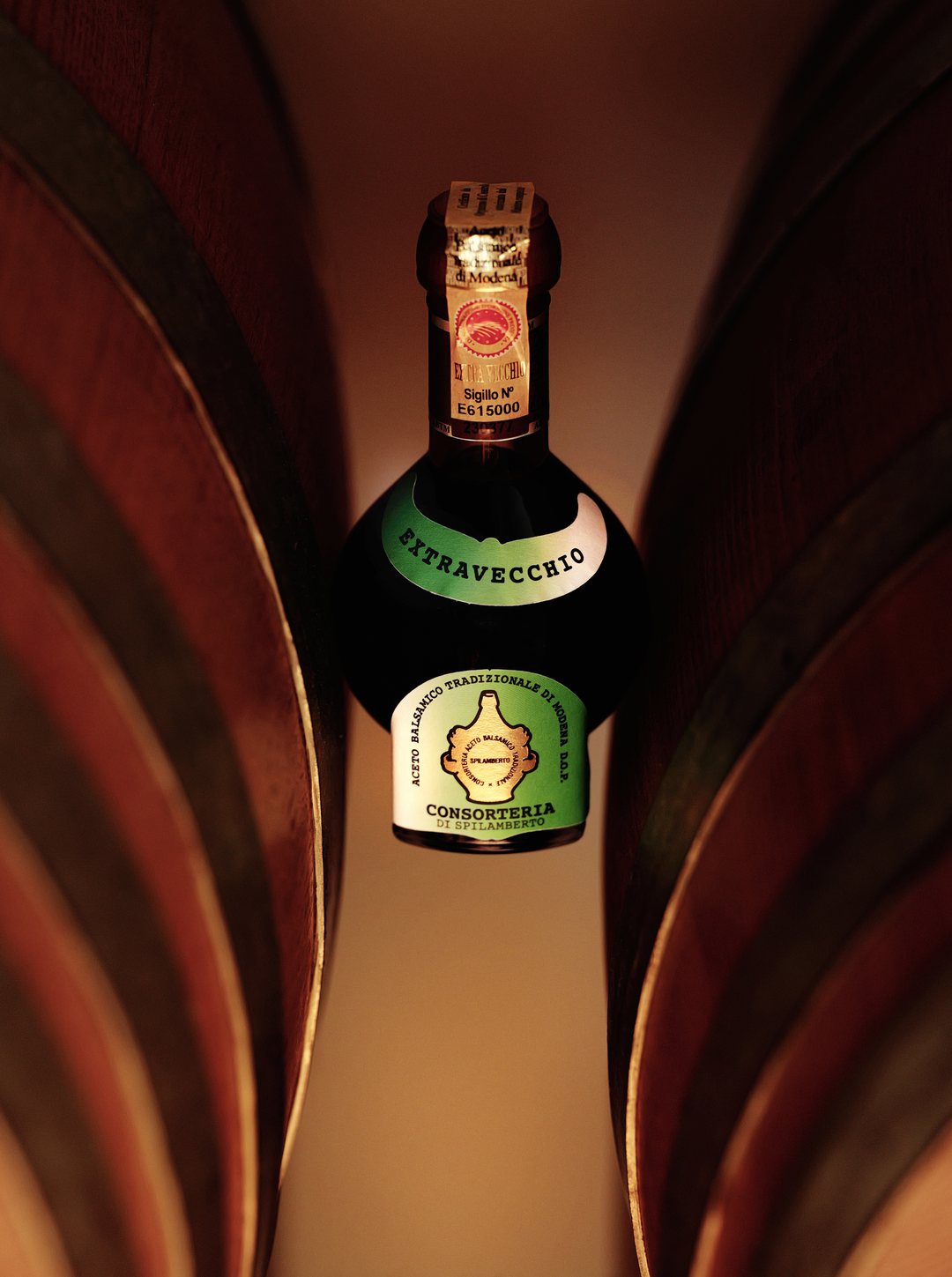
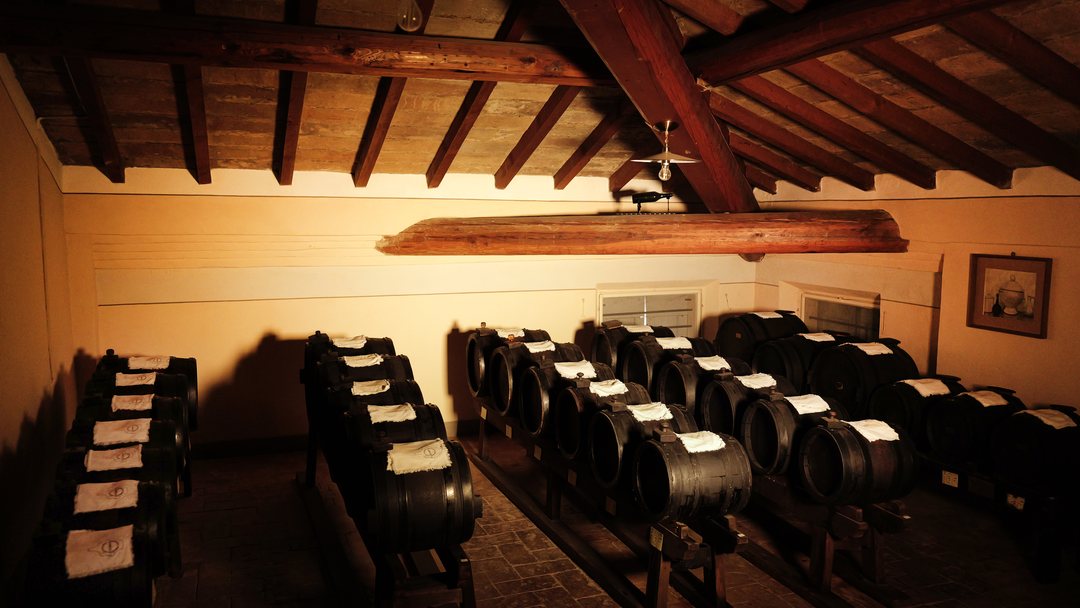
La direzione artistica è di Carlo Guttadauro; le fotografie del volume sono firmate da lui e da Thomas Guttadauro: lo sguardo che le tiene insieme è di entrambi. La premessa è dichiarata: un prodotto che è cultura, sapere, tradizione viva chiede di essere interpretato. Le immagini vanno a cercare la luce filtrante di un sottotetto in cui riposano le batterie di balsamico, la superficie dei legni, la posa di una mano che sa: la materia, interrogata così, racconta il suo segreto. È un lavoro di scavo: un’archeologia emotiva, oltre che visiva, e fin poetica. Ciò che ne emerge è una relazione. Il coordinamento editoriale è affidato alla mano attenta e alla capacità d’ascolto di Lorella Beneventi, maestra assaggiatrice della Consorteria. In un libro così l’ascolto è una disciplina: molte di queste memorie hanno atteso decenni la domanda giusta, e la domanda giusta è ciò che le porta all’esistenza.
Solchi di balsamico si rivolge con la stessa cura ai cultori e agli appassionati. Il balsamico possiede una nobiltà documentata — il mosto cotto attraversa le Georgiche e la cucina dei Romani, i Duchi Estensi lo elevano a emblema della modenesità — e il libro ne registra una seconda, l’aristocrazia dei gesti che una famiglia ripete per generazioni. Da qui la sua doppia natura, opera di forza narrativa popolare e insieme istituzionale: si può leggere per la storia di un sodalizio, per la storia di una famiglia, per il puro piacere delle immagini, e in ciascuno di questi modi restituisce un territorio irripetibile. Con il film che la Consorteria dedica al proprio sessantesimo condivide il titolo e il principio che lo regge: vive ciò che viene rimesso in gioco. I solchi sono qui, aperti e leggibili. Ognuno attende un passaggio nuovo, e a quello darà voce. Il libro li affida a chi verrà.
The furrow is the place where a voice is kept so that it may sound again: it waits, and gives back what it received to whoever crosses it anew. Sixty years of the Consorteria dell’Aceto Balsamico Tradizionale are furrows of this kind, and the book that celebrates its sixtieth anniversary is the gesture that comes to travel them again.
These pages go back to the story of the founders and of the Gran Maestri, and they go back to it in the only way a living story consents to be told: in the voice of the children of this tradition. Here the language offers the work its most exact rhyme. Testimone is the one who has seen; testimone is also the baton passed from hand to hand so that the race may continue. The voices summoned here are both: they say what they witnessed and, in saying it, hand it on. What comes of this is first of all a genealogy of the affections, for to remember says what it does: recordari, to carry back to the heart.
Texts of exceptional standing open the volume. The first is Gran Maestro Maurizio Fini’s, who longed for this book and made it real; the image of the title is his, those balsamic furrows he carries forward. Beside his stands the text of the Bishop of Modena, Erio Castellucci, who recognises in balsamic vinegar a craft of families, a patient labour that distils, drop upon drop, hope and competence; the reflection of Daniele Francesconi, scientific director of the Festival della Filosofia di Modena, for whom the batteries are vessels in which product and generations follow one another hand in hand, and the culture of balsamic teaches an age that counts in hundredths the value of duration; the testimony of Gian Carlo Muzzarelli, former mayor of Modena, who gives balsamic back to the farming families and not to the great dynasties alone, and recalls where Modena’s pre-eminence in engines and at table comes from: from a land that after the war was among the poorest in Italy and never spared itself the sweat, with deep roots and a distant gaze; the testimony of Enrico Corsini, president of the Consorzio Tutela dell’Aceto Balsamico Tradizionale di Modena, who retraces thirty years of shared work through three Gran Maestri — Francesco Saccani, Luca Gozzoli, Maurizio Fini — and shows two institutions that, each keeping to its own role, defend the same thing. Five perspectives: the fellowship, faith, philosophy, the city, protection.
Six chapters, or six movements, give the story its measure, from Time Dwells Here to Living Tradition. The first assigns time a place: Spilamberto, with the Modena country for its wider breath. The Keepers of Time gathers those who inhabit it — the founders, the Gran Maestri, the keepers of the Acetaia Sociale, the artisans of wood, the collaborators — and leaves to the list what the list alone can say: gestures such as these require an entire community. The School of Tasting sets out a knowledge that passes through the body, learned beside those who already know, refining over the years into sensibility and taste. An Inheritance Turned Towards the Future draws together the memories, the stories of the heart, the balsamic dialogues, the family recollections, time and waiting: there the life of an association discovers itself made of kitchens, of attics, of grandparents, and at its origin proves a family matter. Rhythms and Affections holds together the two words that govern the work: the cadence with which the seasons return and the affection that accompanies them. The sixth says in the present tense what the whole book bears witness to: tradition is alive.
The artistic direction is Carlo Guttadauro’s; the volume’s photographs are signed by him and by Thomas Guttadauro: the gaze that holds them together belongs to both. The premise is declared: a product that is culture, knowledge, living tradition asks to be interpreted. The images go looking for the light filtering into an attic where the batteries of balsamic lie at rest, the surface of the woods, the poise of a hand that knows: matter, questioned in this way, tells its secret. This is a work of excavation: an emotional archaeology, a visual one as well, and even poetic. What emerges from it is a relation. The editorial coordination is entrusted to the attentive hand and the listening of Lorella Beneventi, maestra assaggiatrice of the Consorteria. In a book of this kind listening is a discipline: many of these memories have waited decades for the right question, and the right question is what brings them into existence.
Balsamic Furrows addresses connoisseurs and enthusiasts with the same care. Balsamic vinegar possesses a documented nobility — cooked must runs through the Georgics and the Roman table, the Este Dukes raise it to an emblem of Modenese identity — and the book records a second, the aristocracy of the gestures a family repeats for generations. Hence its double nature, a work of popular and of institutional narrative force at once: it can be read for the history of a fellowship, for the history of a family, for the sheer pleasure of its images, and in each of these ways it gives back a territory beyond repetition. With the film the Consorteria dedicates to its sixtieth anniversary it shares its title and the principle that upholds it: what lives is what is put back into play. The furrows are here, open and legible. Each awaits a new passage, and to that passage it will give voice. The book entrusts them to whoever comes.
Oppure direttamenteOr directly info@museodelbalsamicotradizionale.org 059 78 16 14+39 059 78 16 14
Sei capitoliSix chapters
Il film · SinossiThe film · Synopsis
La tradizione è vivaLiving Tradition
Solchi di balsamicoBalsamic Furrows
Sessant’anni non si compiono da soli: qualcuno li ha portati fin qui, e lo ha fatto come promessa d’amore verso coloro che ne scriveranno il futuro.
Sixty years do not come about on their own: someone carried them this far, and did so as a promise of love to those who will write their future.
Da questo sguardo il regista Carlo Guttadauro, affiancato da Thomas Guttadauro, ha dato forma al film che celebra il sessantesimo anniversario della Consorteria di Spilamberto, associazione che promuove la cultura dell’Aceto Balsamico Tradizionale di Modena. Il film si apre con una dichiarazione di appartenenza che è insieme una dichiarazione di poetica: noi della Consorteria siamo fatti della stessa stoffa di cui sono fatti i sogni. La materia onirica si addensa, invecchia, guadagna corpo.
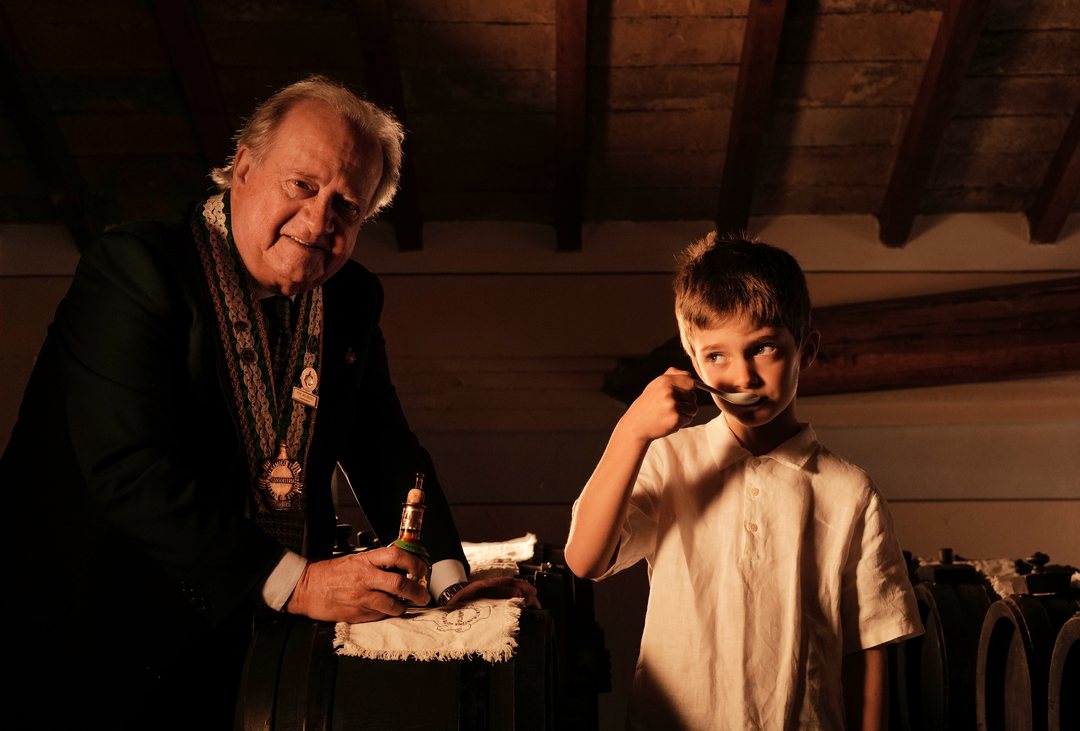
Da questa premessa nasce Giulio. Il suo sguardo di bambino è quello della creatività e del genio — lo sguardo che inventa il mondo nell’atto stesso di vederlo — e per questo è già, di diritto, lo sguardo del futuro. Uno sguardo simile chiede un’iniziazione: qualcuno deve condurlo là dove il tempo si custodisce. A guidarlo è Maurizio Fini, Gran Maestro della Consorteria e figura attorno a cui il film costruisce la propria autorità. Il Gran Maestro è la carica in cui si concentra la disciplina di un’intera comunità, la garanzia che il canone resti fedele a sé stesso, e proprio per questo è la figura che di diritto può compiere il gesto inverso, quello di consegnarlo: Fini attraversa il racconto come chi sa che il proprio compito è proteso in avanti.
Al centro del film sta la consegna. Il Gran Maestro affida alla madre di Giulio il tragno, simbolo della Consorteria e forma stessa della trasmissione: con esso la madre riceve un mondo intero di saperi e di gesti. E qui il racconto trova la sua rima più esatta e più discreta — nell’acetaia, ciò che feconda il nuovo con il vecchio, ciò che passa di botte in botte perché il seguito abbia luogo, si chiama madre. La donna che riceve il tragno e il principio vivo che rende possibile l’Aceto Balsamico Tradizionale portano lo stesso nome. Ciò che si eredita si tiene solo trasmettendolo. La madre affida a Giulio una bottiglietta di Giugiaro, ed è il gesto che dà al film il suo titolo: la tradizione è un’eredità al futuro. Tradere significa affidare, e chi affida accetta in anticipo che l’altro ne faccia qualcosa d’altro. Vive ciò che viene rimesso in gioco. Esiste, cioè, soltanto in quanto gravida di avvenire.
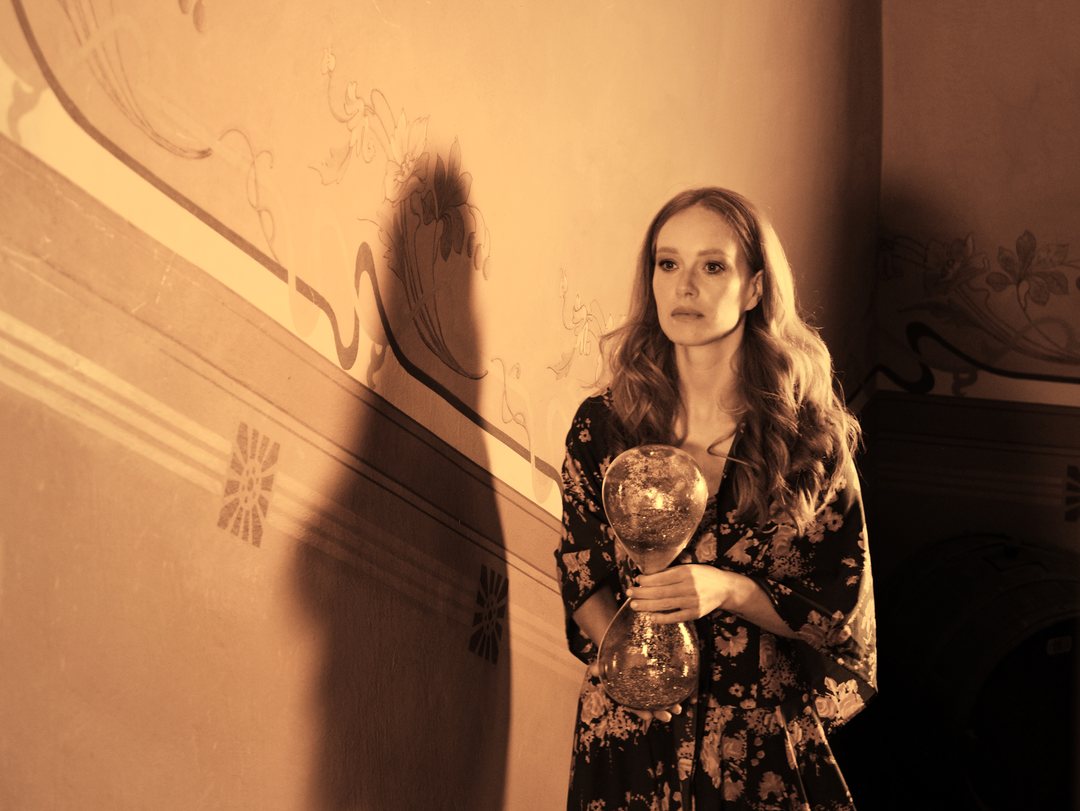
Torna, lungo tutto il film, una clessidra. Maurizio Fini la dona a Giulio, e il bambino la osserva: guarda il tempo mentre accade. In quel vetro si rivela il tempo abitato, lo stesso che dà vita all’Aceto Balsamico Tradizionale di Modena: tempo della memoria, degli affetti, dei gesti. Ogni granello è un istante presente che riceve tutto ciò che l’ha preceduto e lo porta un poco più avanti. A scandire il ritmo del film ci sono gli assaggiatori, anima della Consorteria, depositari di una conoscenza che si esercita attraverso il corpo: ciò che praticano è la costruzione di un modo di abitare il tempo, un tempo che si stratifica anziché consumarsi. Qui il racconto compie il suo scarto decisivo — non stai custodendo soltanto un sapore, ma le mani che te lo hanno affidato. Il patrimonio coincide con la relazione che lo consegna. Si eredita sempre qualcuno. Spilamberto è il centro di questo racconto perché è il luogo in cui la Consorteria ha radici, e Modena ne è il respiro più largo: il territorio è il corpo esteso della comunità, la sua estensione geografica e insieme la sua durata.
Questa consegna ha una casa: il Museo del Balsamico Tradizionale. Ciò che nel film passa di mano in mano — dal Gran Maestro alla madre, dalla madre al figlio — qui passa di soglia in soglia e raggiunge chiunque arrivi: l’eredità si fa ospitalità, e uno sconosciuto riceve ciò che una comunità ha custodito per sessant’anni. È in questo che il museo si rivela un motore: tiene la tradizione in movimento, la rimette in gioco, le assicura la sola durata che le convenga — quella di un’esperienza che torna ad accadere.
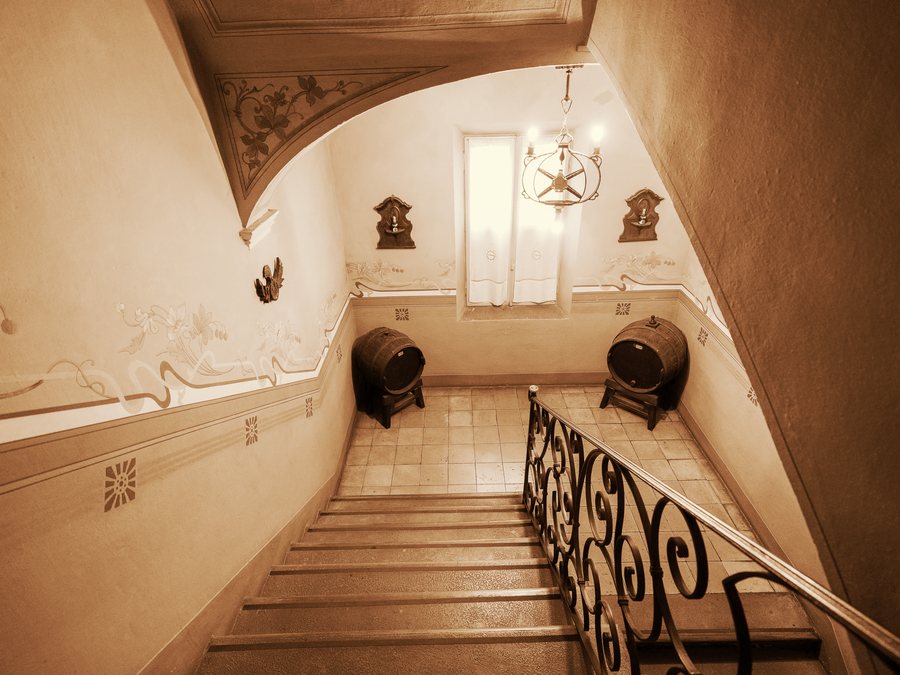
Un museo, di solito, affida allo sguardo ciò che custodisce e allo sguardo chiede in cambio la distanza; qui la distanza si accorcia fino a sparire, perché ciò che è esposto si assaggia. Si apprende come l’aceto nasce, come vive, come evolve, e l’ultima stanza di questo sapere è il gusto: in latino sapere dice a un tempo conoscere e avere sapore, e le due parole tornano infine a coincidere. Il film è nato qui, e qui ha scelto di restare. Carlo Guttadauro, insieme a Thomas Guttadauro, ha ambientato le scene a Spilamberto dentro il Museo del Balsamico Tradizionale: il museo si è fatto teatro, e le sue sale hanno preso la forma di un racconto.
Resta la domanda del bambino — come faremo quando finirà l’aceto? — e la risposta che chiude il film senza chiuderlo: non finirà mai, perché ci sarà sempre qualcuno che continuerà ad amarlo. La conservazione, da sola, non basta a tenere in vita nulla: ciò che dura è ciò che qualcuno, ogni volta di nuovo, sceglie di ricominciare.
From this vantage, director Carlo Guttadauro, working alongside Thomas Guttadauro, has shaped the film celebrating the sixtieth anniversary of the Consorteria di Spilamberto, the association that promotes the culture of Aceto Balsamico Tradizionale di Modena. The film opens with a declaration of belonging that is at once a declaration of poetics: we of the Consorteria are made of the same stuff as dreams are made on. Here the substance of dreams thickens, ages, takes on body.
From this premise Giulio emerges. His child’s gaze is that of creativity and of genius — the gaze that invents the world in the very act of seeing it — and for this reason it is already, by right, the gaze of the future. Such a gaze calls for an initiation: someone must lead it to the place where time is kept. That someone is Maurizio Fini, Gran Maestro of the Consorteria and the figure around whom the film builds its authority. The Gran Maestro is the office in which the discipline of an entire community is gathered, the guarantee that the canon remains faithful to itself, and for this very reason he is the one who may by right perform the inverse gesture, that of handing it on: Fini moves through the story as one who knows that his task leans forward.
At the centre of the film stands the act of handing on. The Gran Maestro entrusts Giulio’s mother with the tragno, emblem of the Consorteria and the very form of transmission: with it she receives an entire world of knowledge and of gestures. And here the film finds its most exact and most discreet rhyme — in the acetaia, that which quickens the new with the old, which passes from cask to cask so that what follows may take place, is called the mother. The woman who receives the tragno and the living principle that makes Aceto Balsamico Tradizionale possible bear the same name. What is inherited is held only by being passed on. The mother entrusts Giulio with a Giugiaro bottle, and it is this gesture that gives the film its title: tradition is an inheritance turned towards the future. Tradere means to entrust, and whoever entrusts accepts in advance that the other will make of it something else. What lives is what is put back into play. It exists, that is, only insofar as it is heavy with what is to come.
An hourglass returns throughout the film. Maurizio Fini gives it to Giulio, and the child watches it: he watches time as it happens. In that glass, inhabited time reveals itself — the very time that gives life to Aceto Balsamico Tradizionale di Modena: the time of memory, of affections, of gestures. Each grain is a present instant that receives all that came before it and carries it a little further on. Setting the film’s rhythm are the tasters, soul of the Consorteria, custodians of a knowledge exercised through the body: what they practise is the construction of a way of inhabiting time, a time that layers itself rather than being consumed. Here the film makes its decisive turn — you are not safeguarding a flavour alone, but the hands that entrusted it to you. The inheritance coincides with the relation that delivers it. One always inherits someone. Spilamberto is the heart of this story because it is where the Consorteria has its roots, and Modena is its wider breath: the territory is the community’s extended body, its geographical reach and at the same time its duration.
This handing on has a house: the Museo del Balsamico Tradizionale. What passes in the film from hand to hand — from the Gran Maestro to the mother, from the mother to the son — passes here from threshold to threshold and reaches whoever arrives: inheritance becomes hospitality, and a stranger receives what a community has kept for sixty years. In this the museum reveals itself as an engine: it holds the tradition in movement, puts it back into play, secures for it the only duration that becomes it — that of an experience which happens again.
A museum ordinarily entrusts to the eye what it keeps, and asks of the eye a certain distance in return; here the distance narrows until it vanishes, for what is displayed is tasted. One learns how the vinegar is born, how it lives, how it evolves, and the last room of that knowledge is flavour: in Latin sapere says at once to know and to have taste, and the two meanings come at last to coincide. The film was born here, and here it chose to remain. Carlo Guttadauro, together with Thomas Guttadauro, set the scenes in Spilamberto, inside the Museo del Balsamico Tradizionale: the museum made itself a theatre, and its rooms took the shape of a story.
There remains the child’s question — what will we do when the vinegar runs out? — and the answer that closes the film without closing it: it will never run out, because there will always be someone who goes on loving it. Preservation alone is not enough to keep anything alive: what endures is what someone, each time anew, chooses to begin again.
Il film · La tradizione è vivaThe film · Living Tradition
«Si eredita sempre qualcuno.»
“One always inherits someone.”


Da sessant’anni
misuriamo l’eternità
in gocce.
For sixty years
we have measured eternity
in drops.
Le immaginiThe photographs
Dove la materia racconta il suo segreto. Where matter tells its secret.
Tocca o clicca una fotografia per vederla a schermo intero. Tap or click a photograph to see it full screen.
I luoghiThe places
Dove la tradizione si custodisce e si ascolta. Where the tradition is kept, and heard.